Press The Red Button
Production design, planning, & backstory
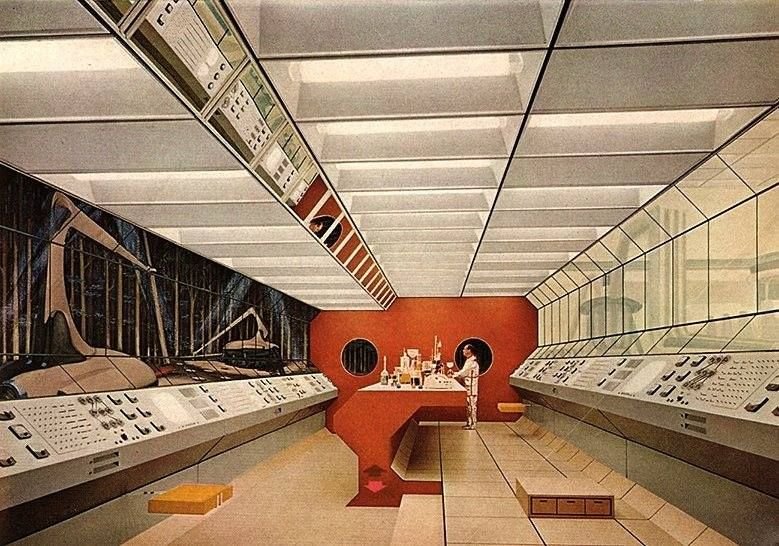
The Rejuvenation Center (RC) has existed long before its involvement in citizen-based affairs. Since their launch in 1972, numerous ex-convicts, canceled celebrities, and politicians have found themselves within the sterile walls of their Aromatic Rejuvenation Chambers, whether of their free will or the will of people more powerful than them. The project was funded by Richard Nixon during his first US presidency in order to better maintain his vision for a proper nation. They may or may not have played a role in the coverup of major scandals, even political elections. The RC remained one of America’s best kept secrets, living underground until recently opening their doors to general witness protection programs and criminal affairs, as maintained by the board of directors. They are currently in an experimental phase, accepting anywhere from fifty to two hundred of these cases annually, so as to properly monitor the behaviors of these subjects average citizens. So far they have maintained an incredibly successful turnout, deflecting opposition and… other problems.
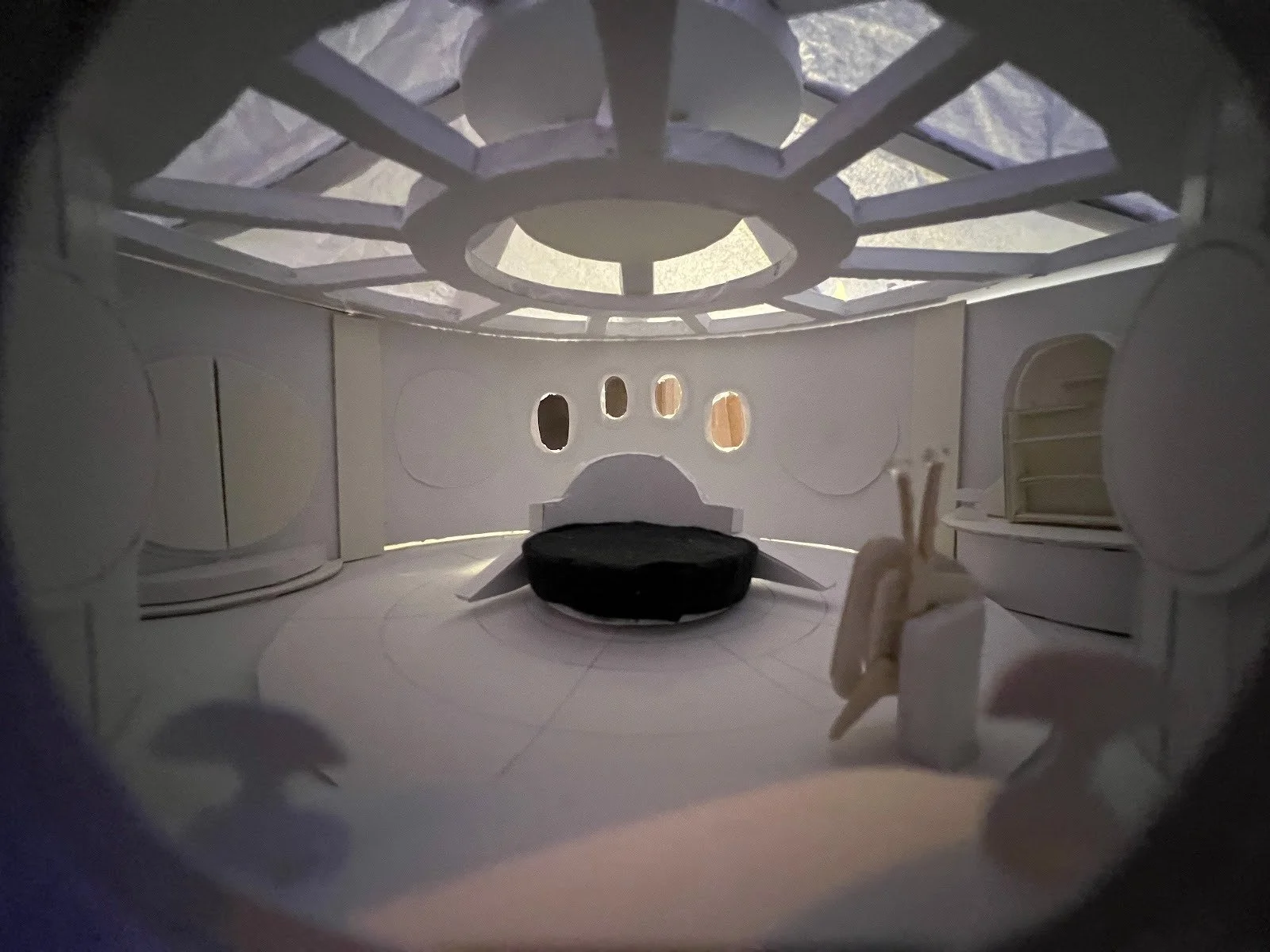
Bare scale model
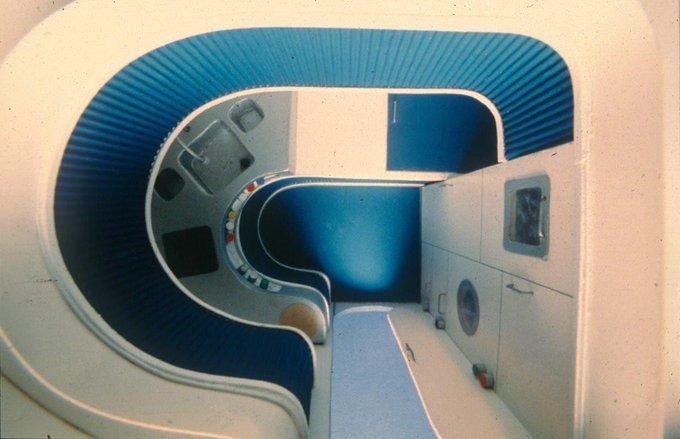
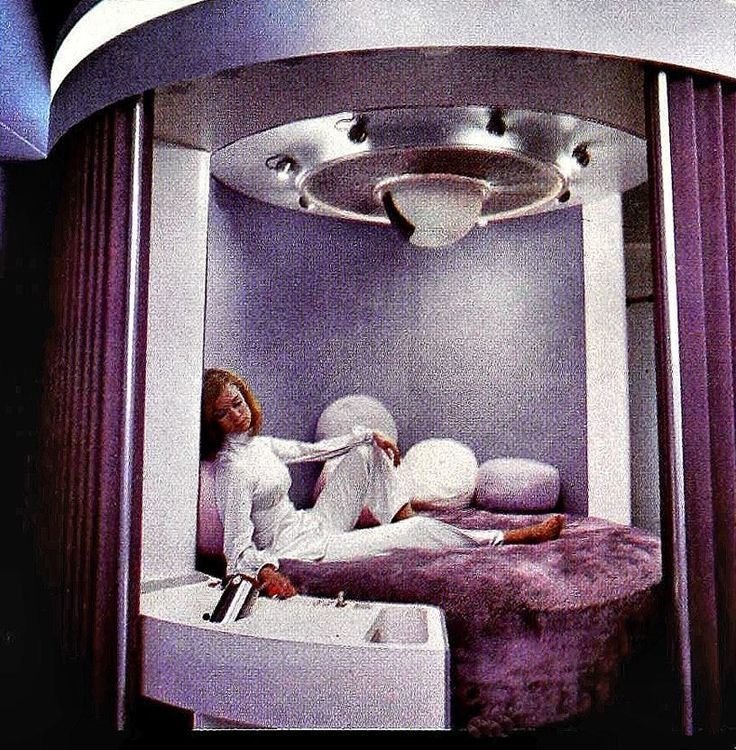
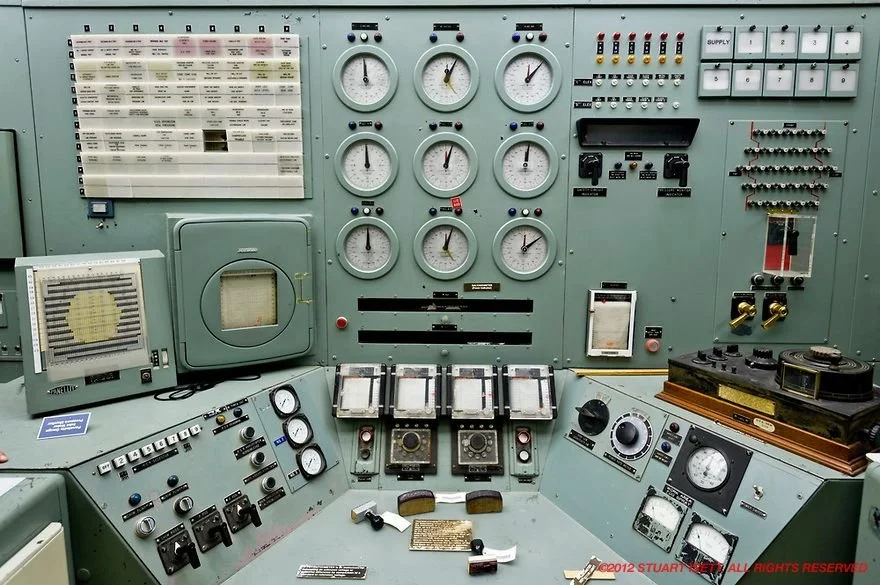
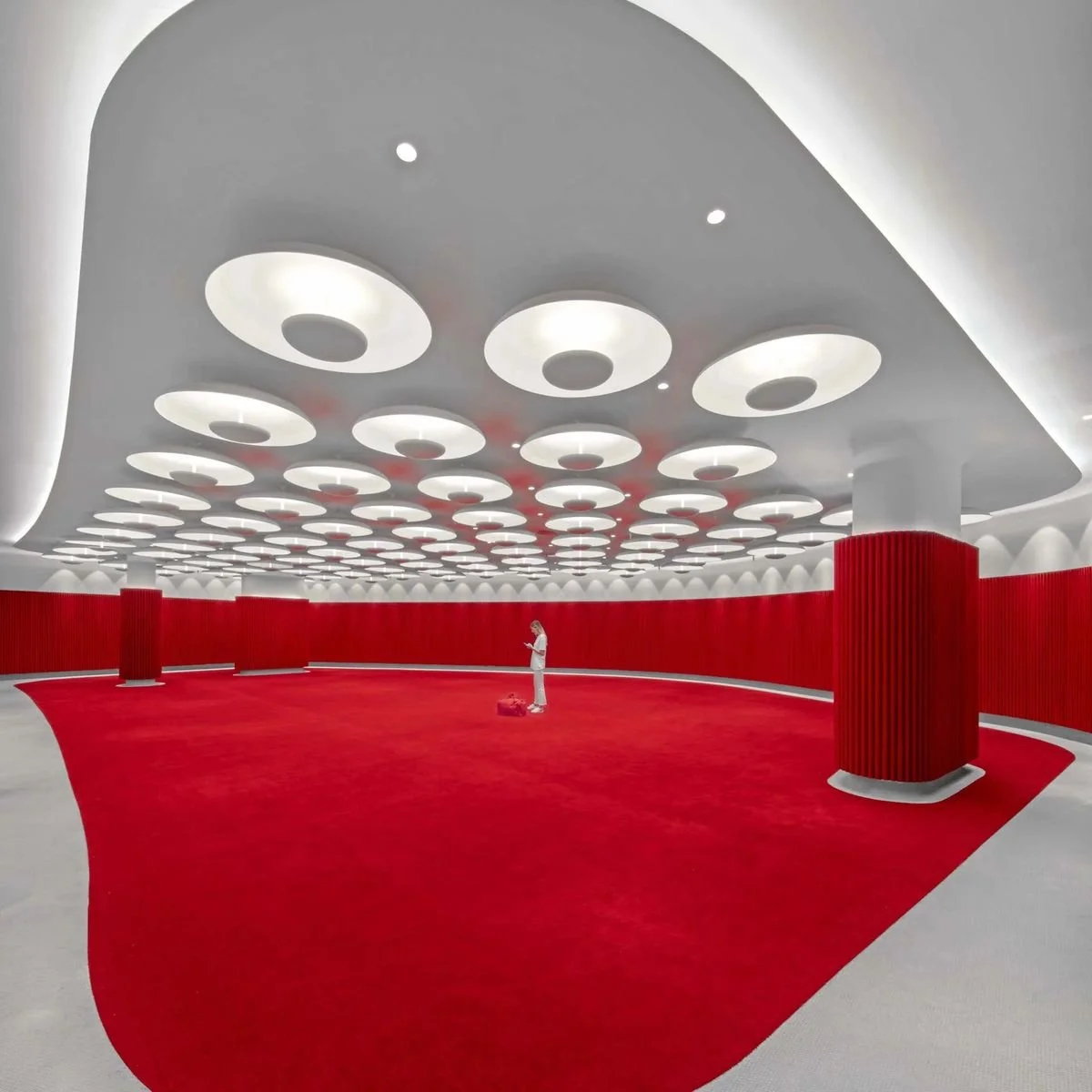
In terms of design, this location should appear very expansive, functional, and hidden (literally underground). This organization has remained within a very select branch of government for quite some time, and would not be familiar to the general public. However, those who do pass through their secret halls are not in any way intended to feel threatened or confined in any way. The point is to conduct affairs with little resistance, rather forming an encouraging, calming environment for all subjects occupants. Autonomy is preached. This is seen in the bright, open-floor suites housing each Aromatic Chamber, as well as the button control options allotted to each participant (the purposes of these buttons can change, per the moderators’ discretion, but participants will not be aware of that).
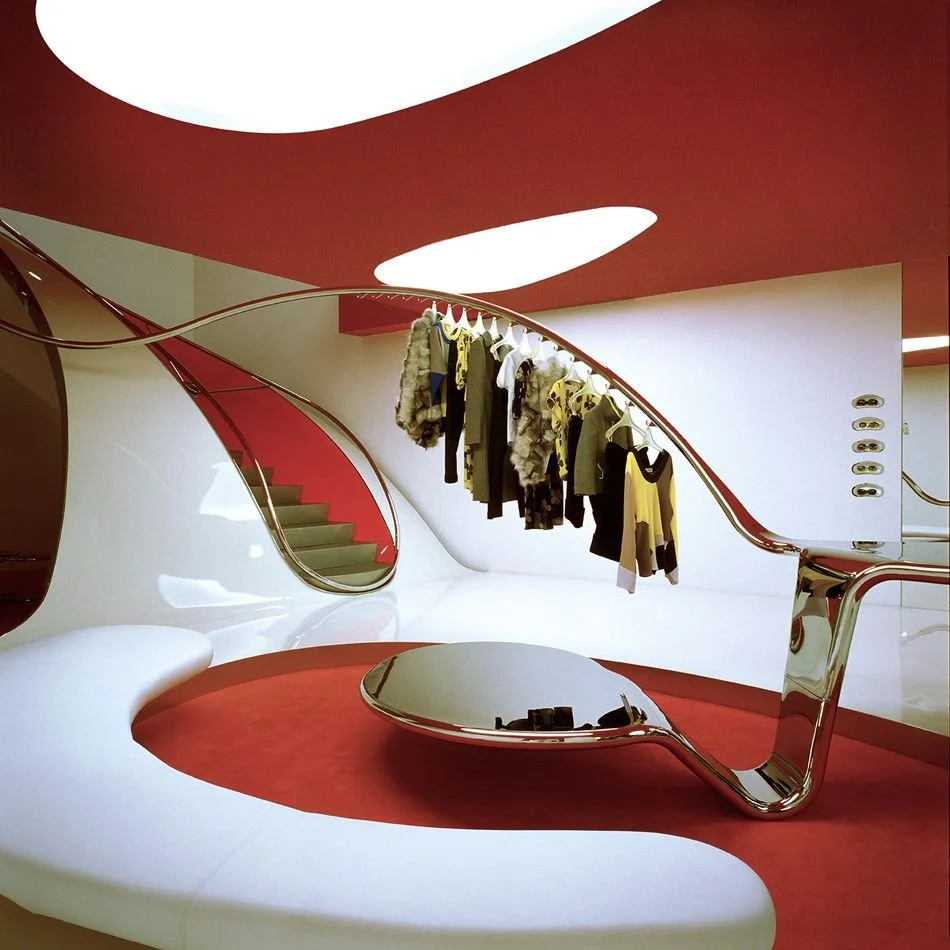
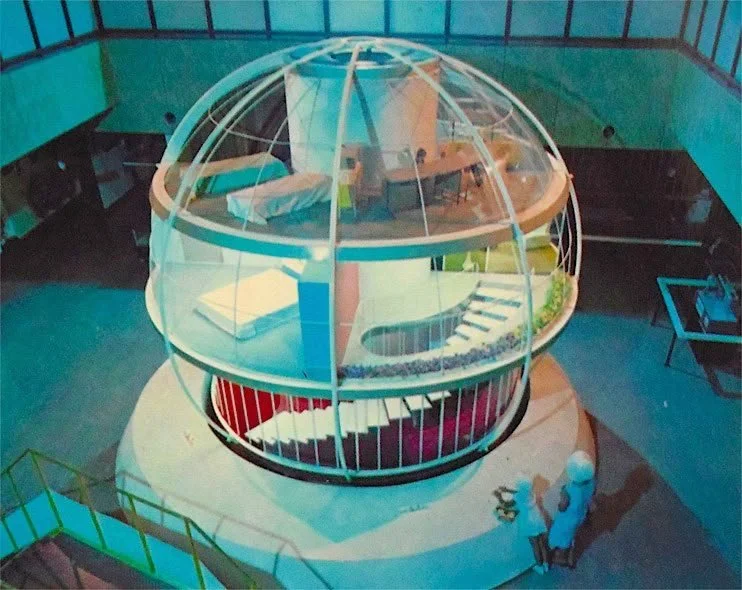
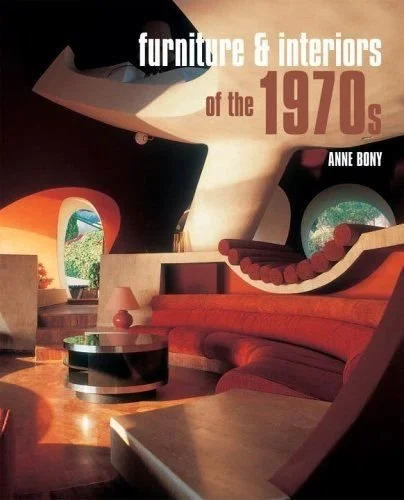
Taking on a retro-futuristic style (popularized in the 60’s/70’s), elements will be round virtually everywhere, a calming yet omnipresent symbol for the RC’s practices. Perfect circles have an unnatural quality to them, similar to bioengineering and social reconfiguration. They also represent the mannerisms which employees of this practice must assume in order to talk their way around direct answers. Lastly, this is a government facility appearing to provide contained reassurance. There’s a certain forced quality to it, similar to hospital waiting rooms. No matter how cozy or pretty they try to make them, they will never feel quite right. Humanity looks out of place here. The people IN waiting rooms are usually preoccupied with more pressing matters, but if you’re just there to accompany someone, that’s when you notice the uncomfortable details. The audience should be this uncomfortable third party, following a character who is preoccupied with the treatment they’re prepared to receive.
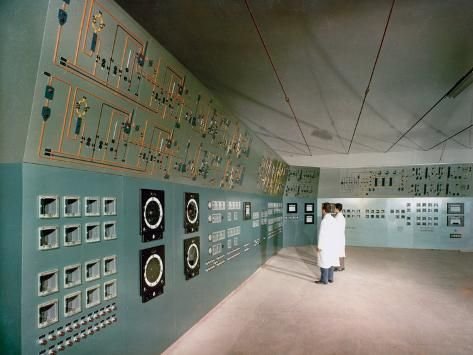
Designing this location with retro-futurism in mind gives it this old-trying-to-be-new kind of vibe. Always something trying to be something else. This is a huge theme I’d really like to play into with the setting. From inside the suites, you couldn’t predict who or what might be in charge, but locations outside the suites (only available to moderators and employees) would reflect that unpolished, unfinished, typical government building style. Within the chamber suite, there will be no sharp edges (both visual and physical), lingering on an uncomfortably infinite smoothness throughout the space. Dark colors will be avoided, and windows will have no view, only portals of white light. The audience needs to feel free, yet trapped in an unfamiliar way. You can enjoy yourself, but something else is definitely going on here.
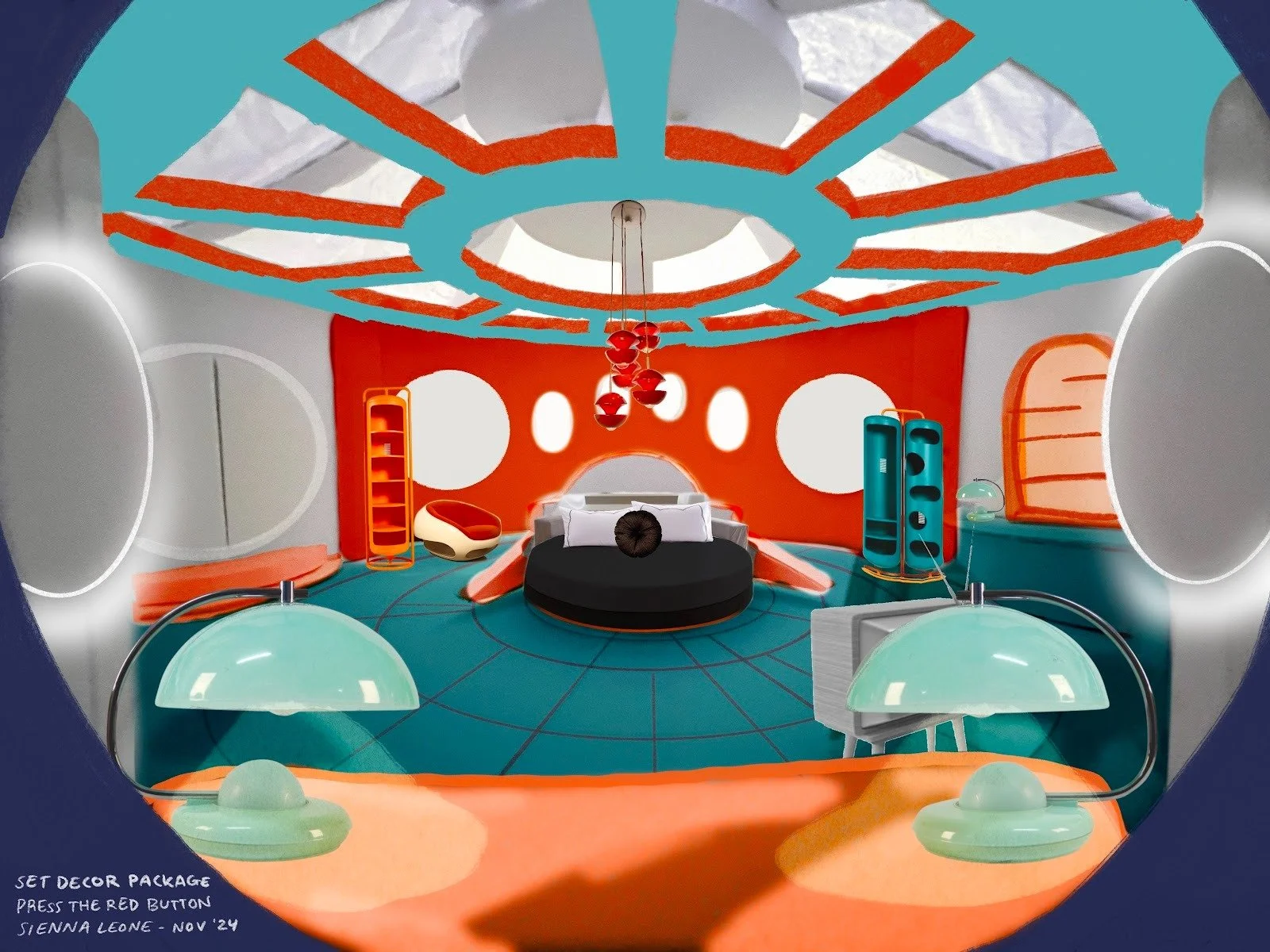
Digitally rendered scale model